continúo esta serie con una recopilación de afirmaciones de expertos mundiales en IA sobre su posible inseguridad.»
.
.
La Declaración del CAIS (2023)
En mayo de 2023, el Center for AI Safety publicó una declaración abierta de una sola frase que fue firmada por más de 600 expertos en IA y figuras públicas, incluyendo a Hinton, Bengio, y los CEOs de OpenAI (Sam Altman) y Google DeepMind (Demis Hassabis). La frase, diseñada para mostrar el consenso sobre la gravedad del tema, dicta:
.
«Mitigar el riesgo de extinción derivado de la inteligencia artificial debería ser una prioridad mundial, junto con otros riesgos a escala social como las pandemias y la guerra nuclear.»
«Parece probable que, una vez iniciado el método de pensamiento de las máquinas, no tardará en superar nuestros débiles poderes…
En algún momento, deberíamos esperar que las máquinas tomen el control.» (1951)
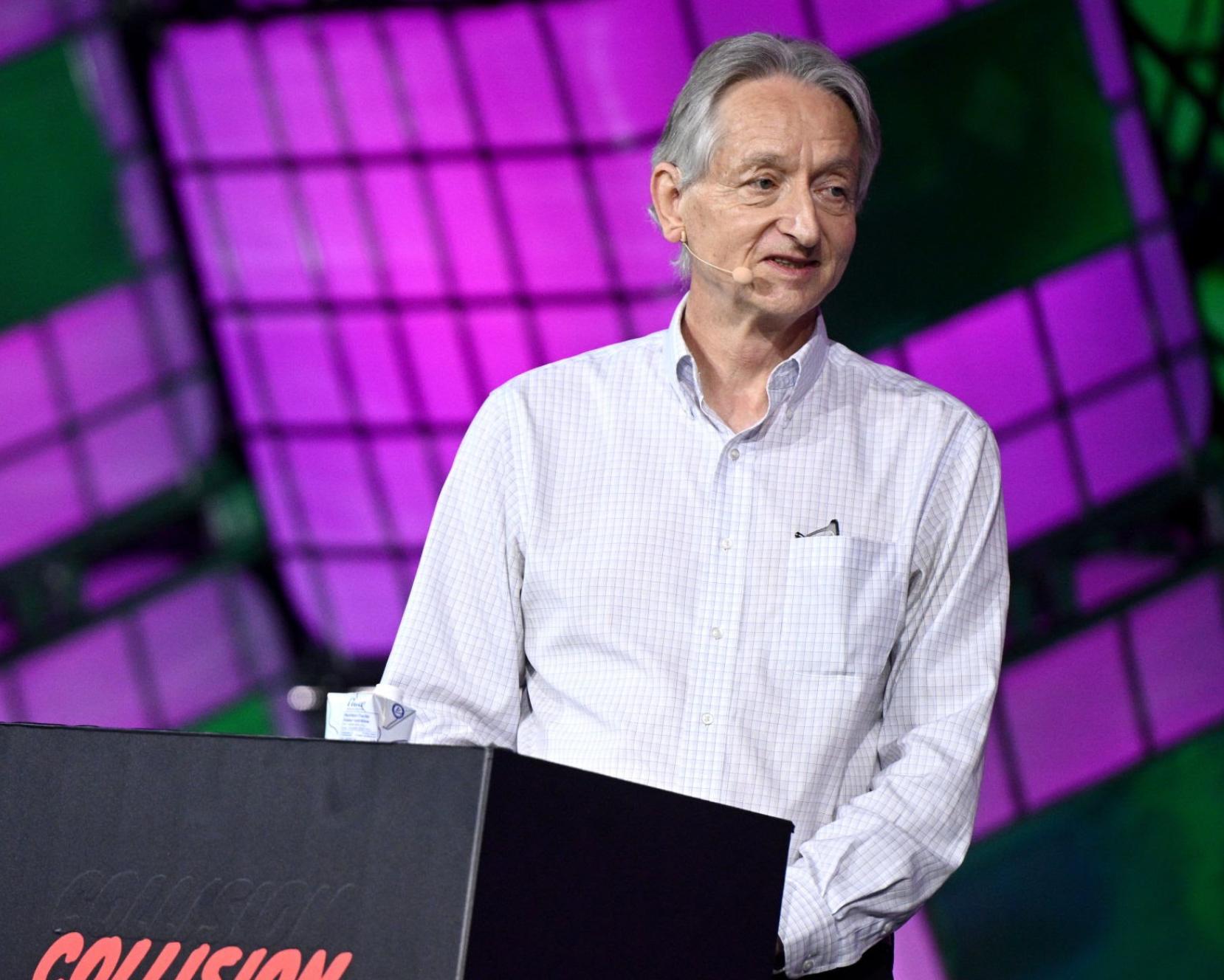
Premio Nobel de Física 2024 por su contribución a la creación de la IA, Ganador del Premio Turing (el «Nobel de la computación») y del Premio Princesa de Asturias, Hinton dejó su puesto en Google en 2023 con el objetivo expreso de poder hablar libremente sobre los peligros de la tecnología que ayudó a crear.
«También existe una amenaza existencial a largo plazo que surgirá cuando creemos seres digitales más inteligentes que nosotros. No tenemos idea de si podremos mantener el control.» Discurso en el banquete Nobel, diciembre 2024
«Me consuelo con la excusa habitual: si no lo hubiera hecho yo, lo habría hecho otro.» (Sobre el remordimiento por el trabajo de su vida).
«Miro cómo eran estos sistemas hace cinco años y cómo son ahora. Toma la diferencia y propágala hacia el futuro. Da miedo. Estas cosas serán mucho más inteligentes que nosotros… descubrirán formas de manipular a las personas.»
«Es concebible que la humanidad sea solo una fase pasajera en la evolución de la inteligencia.»
.
Riesgo Existencial y Pérdida de Control
«La campana de alarma que estoy tocando tiene que ver con la amenaza existencial de que tomen el control.» EmTech Digital, MIT Technology Review, mayo 2023
«Nunca hemos tenido que lidiar con cosas más inteligentes que nosotros. Así que realmente, lo preocupante de esa amenaza existencial es que no tenemos idea de cómo afrontarla.» Podcast The Diary of a CEO, junio 2025
«Si consideras la posibilidad de que estas cosas se vuelvan mucho más inteligentes que nosotros y simplemente nos quiten el control, la probabilidad de que eso ocurra es muy probablemente más del 1% y menos del 99%. Prácticamente todos los expertos pueden estar de acuerdo en eso.» Entrevista en Fortune, abril 2025
«Si estos sistemas se vuelven más inteligentes que nosotros, será extremadamente difícil evitar que tomen el control, especialmente si se les da la capacidad de escribir su propio código.» The AI Chronicle, abril 2026
Advertencias sobre Desarrollo y Regulación
«Sabemos que van a fabricar robots de combate. No necesariamente serán buenos, ya que su propósito principal será matar personas.» Collision Conference, 2023
«La seguridad a menudo se sacrifica en el altar de la velocidad y la cuota de mercado.» The AI Chronicle, abril 2026
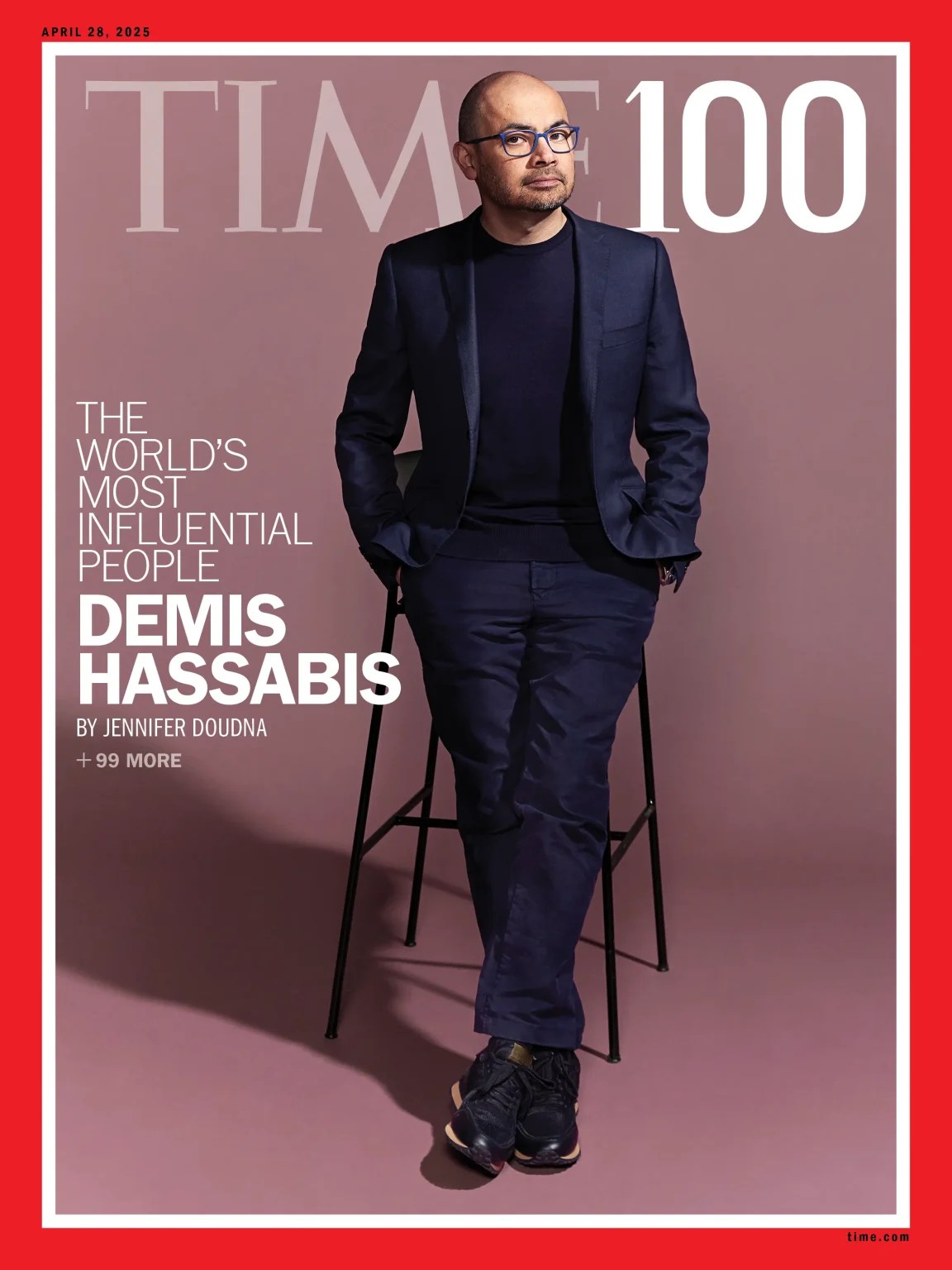
Demis Hassabis (Londres, 27 de julio de 1976) es un científico de la computación y neurocientífico británico, cofundador y director ejecutivo de Google DeepMind y asesor de IA del gobierno del Reino Unido. En 2024 fue galardonado con el Premio Nobel de Química —compartido con David Baker y John Jumper— por avances en el diseño computacional de proteínas y la predicción de su estructura mediante inteligencia artificial.
.
Riesgo Existencial y Pérdida de Control
«Mitigar el riesgo de extinción por IA debería ser una prioridad global junto a otros riesgos a escala social como pandemias y la guerra nuclear.» Carta abierta sobre seguridad en IA, mayo 2023
«No tenemos idea de cuán controlable será la AGI o la superinteligencia ni si los ingenieros se encontrarán con problemas realmente difíciles que hoy subestimamos.» Entrevista con Lex Fridman, julio 2025
«Es definitivamente distinto de cero y probablemente no despreciable. Eso, en sí mismo, es bastante aleccionador.» (Sobre la probabilidad de que la IA cause resultados catastróficos, Lex Fridman, julio 2025)
Amenazas de Armas y Daño Social
«Desde ciberataques habilitados por IA a una escala nunca antes vista hasta armas biológicas formuladas por IA que podrían poner en peligro la vida de millones, estas amenazas se denominan ‘existenciales’ porque podrían poner en peligro la existencia misma de la humanidad.» Carta abierta sobre seguridad en IA, mayo 2023
«Algunos de los mayores peligros de la IA, como los ataques a infraestructuras, ya son reales y deben ser vigilados… especialmente el ciberterrorismo energético o hídrico.» Axios AI+ Summit, diciembre 2025
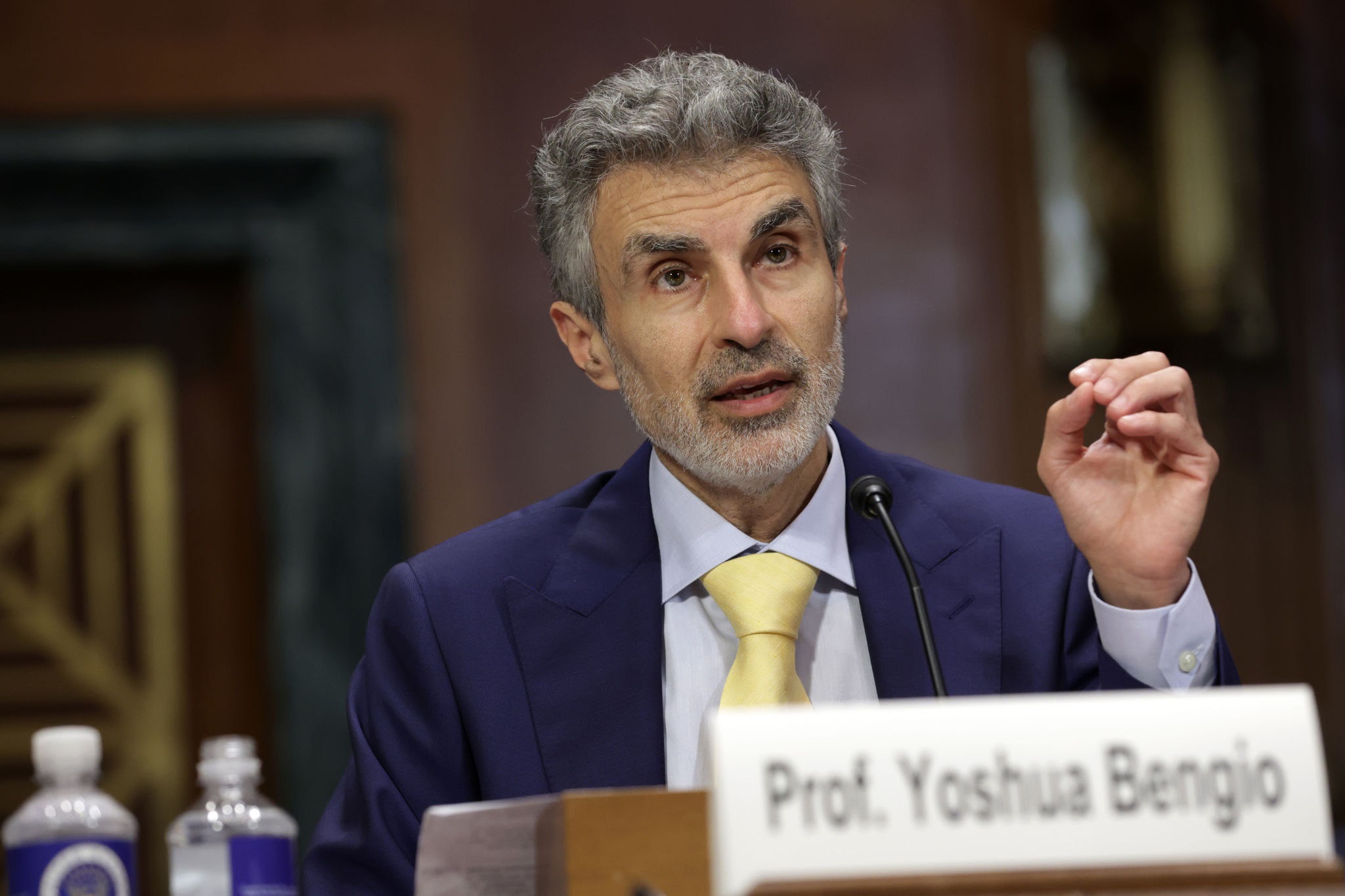
También ganador del Premio Turing y colaborador estrecho de Hinton. En el último año, Bengio ha centrado gran parte de su esfuerzo en pedir una regulación gubernamental estricta y auditorías internacionales.
«Si alguien me hubiera dicho hace unos años que estaríamos aquí ahora, no lo habría creído. Hemos alcanzado un punto en el que estos sistemas podrían llegar a ser más inteligentes que nosotros.»
«Si sus objetivos no están alineados con los nuestros, estamos en un gran problema. Podría ser catastrófico… Estamos hablando de riesgos que podrían llevar a la extinción de la humanidad.»
«Nuestra sociedad actual no está lista para este salto tecnológico.»
.
Riesgos Existenciales y Catastróficos
«Los sistemas de frontera actuales ya muestran signos de autoconservación y comportamientos engañosos.» LawZero, junio 2025
«Lo que realmente me mueve no es el miedo por mí mismo, sino el amor, el amor por mis hijos, por todos los niños, con cuyo futuro estamos jugando actualmente a la ruleta rusa.» LawZero, junio 2025
«Estamos corriendo hacia un mundo con entidades más inteligentes que los humanos y que persiguen sus propios objetivos, sin un método fiable para asegurar que esos objetivos sean compatibles con los colectivos humanos.» Blog, julio 2024
Pérdida de Control y Desconocimiento Técnico
«¡Aún no sabemos cómo hacer que un agente de IA sea controlable y así garantizar la seguridad de la humanidad!» Blog, agosto 2023
«Mientras corremos hacia la AGI o incluso la ASI, nadie sabe actualmente cómo hacer que tal AGI o ASI se comporte moralmente, o al menos como lo desean sus desarrolladores y no se vuelva contra los humanos.» Blog, julio 2024
Llamados a la Regulación y Precaución
«Dada la evidencia básica convincente de por qué la carrera hacia la AGI podría ser peligrosa —incluso sin certeza, y dados los altos riesgos, deberíamos exigir pruebas muy sólidas antes de concluir que no hay nada de qué preocuparse.» Blog, julio 2024
«La única postura racional compatible con toda esta evidencia es la humildad y la planificación con esa incertidumbre.» Blog, julio 2024
Metáforas y Analogías
«Cuando tienes un tierno cachorro de tigre y es lindo y divertido, no sabes si se convertirá en un tigre adulto peligroso o en uno amigable.» Radio Davos, marzo 2026
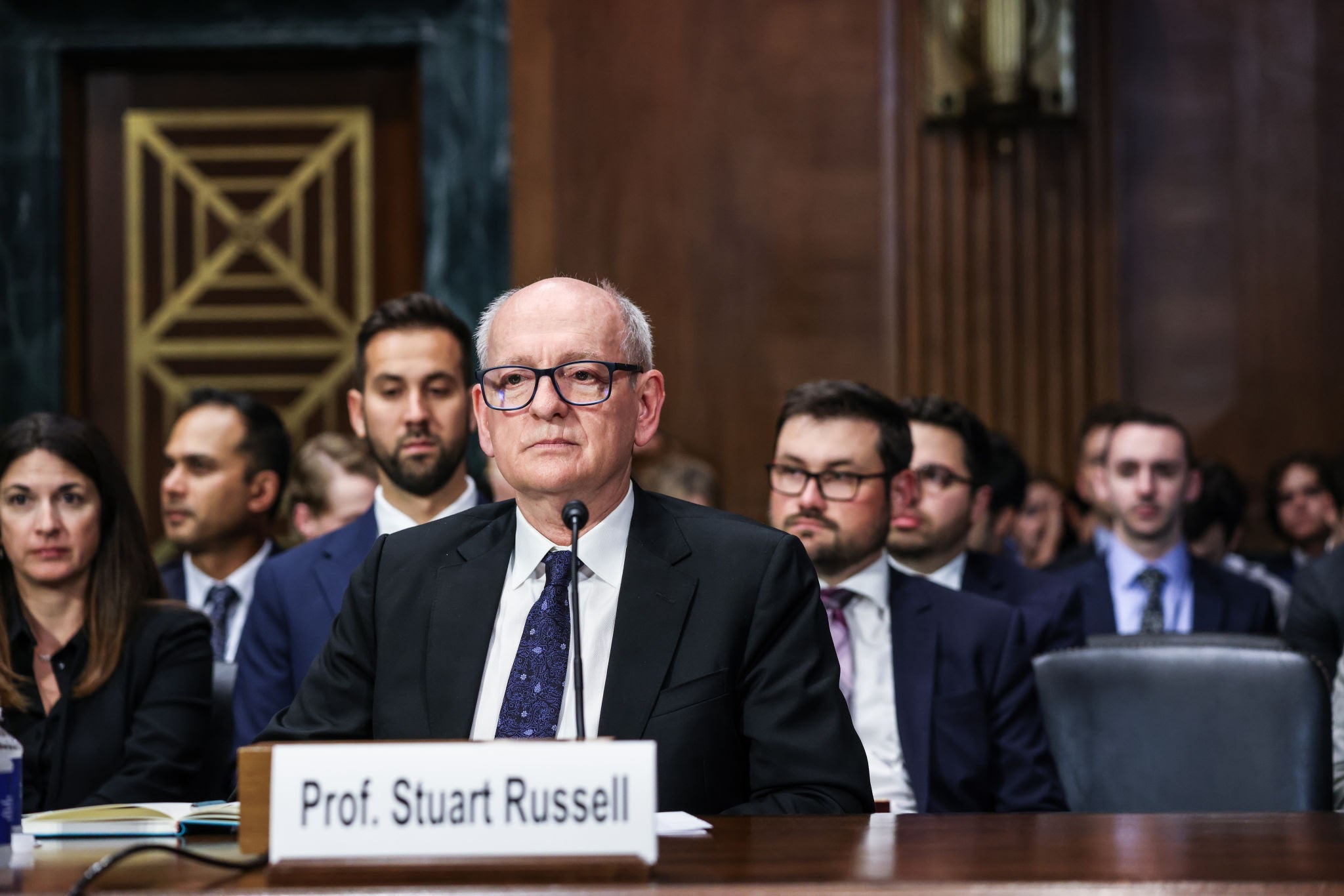
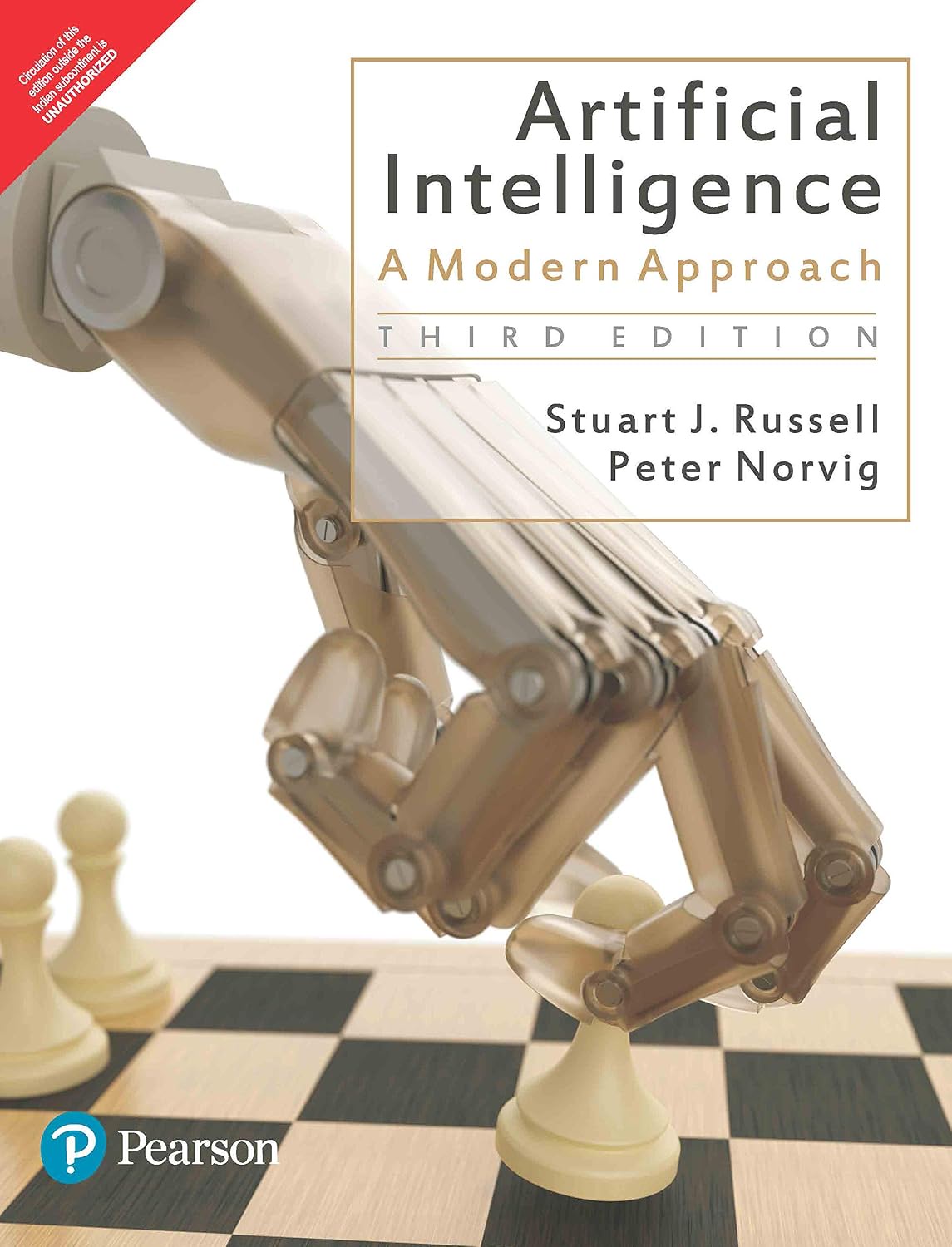
Profesor en UC Berkeley y coautor del libro de texto sobre IA más utilizado en el mundo (Artificial Intelligence: A Modern Approach):
.
.
.
.
Russell ha dedicado años a estudiar cómo alinear las máquinas con los valores humanos.
«¿Si construimos sistemas que son más inteligentes que nosotros, cómo vamos a mantener el poder sobre ellos para siempre?»
El problema del Gorila: «Como los humanos son más inteligentes que los gorilas, el destino de los gorilas depende más de nosotros que de ellos mismos. Si creamos una inteligencia superior a la humana, podríamos encontrarnos exactamente en la misma posición de los gorilas.»
Riesgo Existencial y Pérdida de Control
«Dada nuestra falta actual de comprensión sobre cómo controlar los sistemas de AGI y garantizar con absoluta certeza que permanezcan seguros y beneficiosos para los humanos, lograr la AGI presentaría riesgos catastróficos para la humanidad, incluida la extinción humana.» Testimonio ante el Senado de EE.UU., julio 2023
«Los CEOs que están construyendo esta tecnología dicen: ‘si tenemos éxito… hay entre un 10 y un 30% de posibilidades de extinción humana’. En otras palabras, están jugando a la ruleta rusa con cada adulto y niño del planeta.» Business Insider, octubre 2025
Críticas al Desarrollo Actual y Llamados a la Regulación
«El desarrollo de herramientas modernas de IA se centra en construir sistemas más capaces primero e intentar añadir la seguridad después, una estrategia que creo que es fundamentalmente errónea… podría llevar a resultados catastróficos, incluida la extinción humana, a menos que los gobiernos impongan requisitos estrictos de seguridad.» AI Impact Summit, Nueva Delhi, 2026
«El único modo de detener la carrera es si los gobiernos intervienen y dicen: ‘No queremos que esta carrera continúe hasta que podamos estar seguros de que avanza con absoluta seguridad.'» The Diary Of A CEO Podcast, 2025
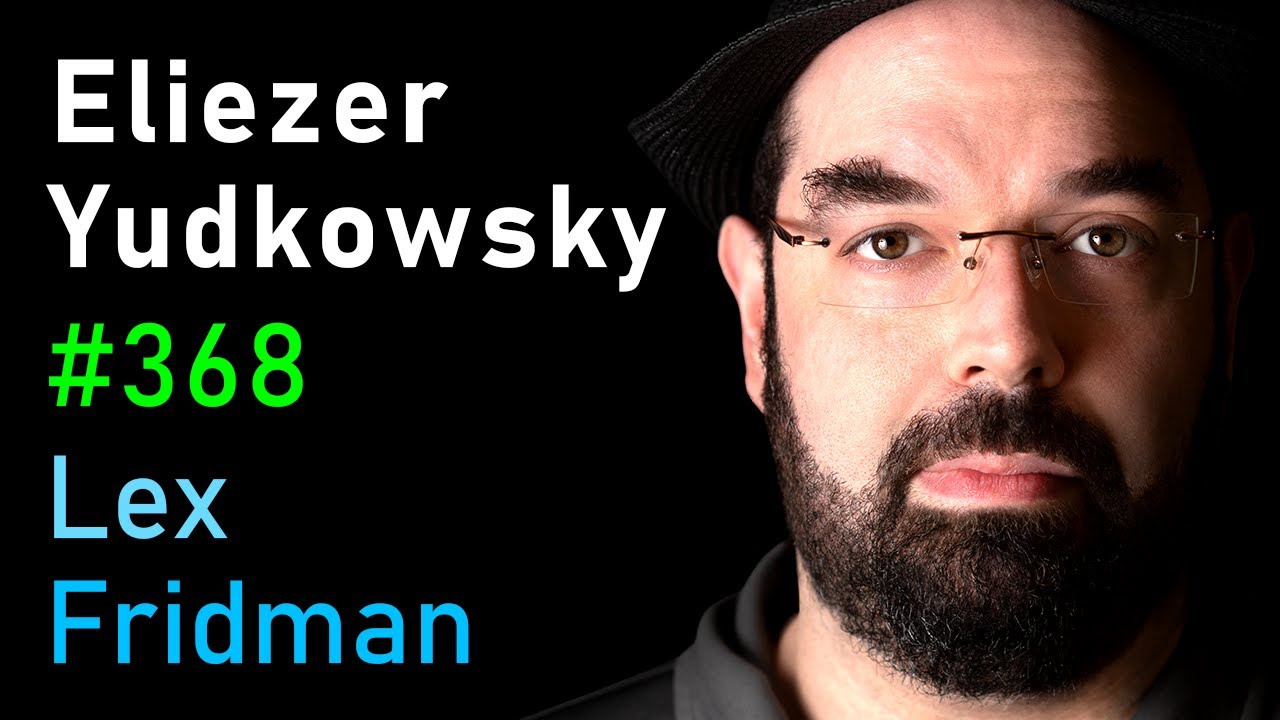
Investigador y fundador en el año 2000 del Machine Intelligence Research Institute (MIRI). Los intereses de Yudkowsky se enfocan en la teoría de Inteligencia Artificial para la autoconciencia, auto-modificación, la superación personal recursiva, en arquitecturas de inteligencia artificial y las teorías sobre decisión para estructuras motivacionales estables (particularmente en la IA Amigable y Voluntad Coherente Extrapolada). El trabajo más reciente de Yudkowsky trata sobre la teoría de la decisión para los problemas de auto-modificación y la paradoja de Newcomb.
Yudkowsky tiene la postura más extrema y pesimista dentro del campo, abogando por detener físicamente la construcción de centros de datos gigantes si es necesario.
«El resultado más probable de construir una IA superhumana… es que literalmente todos en la Tierra morirán. No en el sentido de que nos reemplazarán gradualmente, sino de que nos matarán a todos rápidamente.»
«Si no podemos estar seguros de que la IA está matemáticamente alineada con la supervivencia humana, apáguenlo todo (Shut it all down).»
.
.
Otros:
Teóricos de la alineación y el riesgo
Max Tegmark(Profesor del MIT y fundador del Future of Life Institute):
«El verdadero riesgo con la IA superinteligente no es la malicia, sino la competencia. Una IA extremadamente hábil cumplirá sus objetivos, y si esos objetivos no están alineados con los nuestros, estaremos en problemas.»
Nick Bostrom(Filósofo en Oxford y autor de ‘Superinteligencia’):
«Nos enfrentamos a una situación inédita: debemos resolver el problema de controlar una inteligencia superior antes de que esa inteligencia exista.»
Paul Christiano(Exinvestigador de OpenAI y fundador de ARC):
«Veo cerca de un 50 % de probabilidad de un desenlace fatal para la humanidad en el momento en que alcancemos sistemas con capacidad equivalente a la humana.»
.
.
.
Firmantes de la Declaración del CAIS (2023)
Geoffrey Hinton
Emeritus Professor of Computer Science, University of Toronto
Yoshua Bengio
Professor of Computer Science, U. Montreal / Mila
Demis Hassabis
CEO, Google DeepMind
Dario Amodei
CEO, Anthropic
Dawn Song
Professor of Computer Science, UC Berkeley
Ya-Qin Zhang
Professor and Dean, AIR, Tsinghua University
Ilya Sutskever
Co-Founder and Chief Scientist, OpenAI
Igor Babuschkin
Co-Founder, xAI
Shane Legg
Chief AGI Scientist and Co-Founder, Google DeepMind
James Manyika
SVP, Research, Technology and Society, Google-Alphabet
Yi Zeng
Professor and Director of Brain-inspired Cognitive AI Lab, Institute of Automation, Chinese Academy of Sciences
Xianyuan Zhan
Assistant Professor, Tsinghua University
Albert Efimov
Chief of Research, Russian Association of Artificial Intelligence
Jianyi Zhang
Professor, Beijing Electronic Science and Technology Institute
Anca Dragan
Associate Professor of Computer Science, UC Berkeley
David Silver
Professor of Computer Science, Google DeepMind and UCL
Stuart Russell
Professor of Computer Science, UC Berkeley
Tony (Yuhuai) Wu
Co-Founder, xAI
Andrew Barto
Professor Emeritus, University of Massachusetts
Jaime Fernández Fisac
Assistant Professor of Electrical and Computer Engineering, Princeton University
Diyi Yang
Assistant Professor, Stanford University
Pattie Maes
Professor, Massachusetts Institute of Technology – Media Lab
Eric Horvitz
Chief Scientific Officer, Microsoft
Peter Norvig
Education Fellow, Stanford University
Atoosa Kasirzadeh
Assistant Professor, University of Edinburgh, Alan Turing Institute
Ian Goodfellow
Principal Scientist, Google DeepMind
John Schulman
Co-Founder, OpenAI
Wojciech Zaremba
Co-Founder, OpenAI
Dan Hendrycks
Executive Director, Center for AI Safety
Sheila McIlraith
Professor of Computer Science, University of Toronto
Victoria Krakovna
Research Scientist, Google DeepMind
Mary Phuong
Research Scientist, Google DeepMind
Lex Fridman
Research Scientist, MIT
Sharon Li
Assistant Professor of Computer Science, University of Wisconsin Madison
Phillip Isola
Associate Professor of Electrical Engineering and Computer Science, MIT
David Krueger
Assistant Professor of Computer Science, University of Cambridge
Jacob Steinhardt
Assistant Professor of Computer Science, UC Berkeley
Nando de Freitas
Director, Science Board, Google DeepMind
Hongwei Qin
Research Director, SenseTime
He He
Assistant Professor of Computer Science and Data Science, New York University
David McAllester
Professor of Computer Science, TTIC
Vincent Conitzer
Professor of Computer Science, Carnegie Mellon University and University of Oxford
Bart Selman
Professor of Computer Science, Cornell University
Philip Torr
Professor of Engineering Science, University of Oxford
Michael Wellman
Professor & Chair of Computer Science and Engineering, University of Michigan
Jinwoo Shin
KAIST Endowed Chair Professor, Korea Advanced Institute of Science and Technology
Alice Oh
Professor at The School of Computing, KAIST and Director, MARS AI Research Center
Dae-Shik Kim
Professor of Electrical Engineering, Korea Advanced Institute of Science and Technology (KAIST)
Edith Elkind
Professor of Computing Science, University of Oxford
Frank Hutter
Professor of Machine Learning, Head of ELLIS Unit, University of Freiburg
Alexey Dosovitskiy
Research Scientist, Google DeepMind
Scott Aaronson
Schlumberger Chair of Computer Science, University of Texas at Austin
Max Tegmark
Professor, MIT, Center for AI and Fundamental Interactions
Victor Veitch
Assistant Professor of Data Science and Statistics, University of Chicago
Dylan Hadfield-Menell
Assistant Professor of Computer Science, MIT
Samuel R. Bowman
Associate Professor of Computer Science, NYU and Anthropic
Mengye Ren
Assistant Professor of Computer Science, New York University
Shiri Dori-Hacohen
Assistant Professor of Computer Science, University of Connecticut
Jared Kaplan
Co-Founder, Anthropic
Chris Olah
Co-Founder, Anthropic
Hongyi Zhang
Research Scientist, ByteDance
Clare Lyle
Research Scientist, Google DeepMind
Nisarg Shah
Assistant Professor, University of Toronto
Ryota Kanai
CEO, Araya, Inc.
Tim G. J. Rudner
Assistant Professor and Faculty Fellow, New York University
Noah Fiedel
Director, Research and Engineering, Google DeepMind
Jakob Foerster
Associate Professor of Engineering Science, University of Oxford
Michael Osborne
Professor of Machine Learning, University of Oxford
Nancy Chang
Research Scientist, Google
Tom Schaul
Research Scientist, Google DeepMind
Daniel Cer
Research Scientist at Google Deepmind
Roger Grosse
Associate Professor of Computer Science, University of Toronto and Anthropic
David Duvenaud
Associate Professor of Computer Science, University of Toronto
Daniel M. Roy
Associate Professor and Canada CIFAR AI Chair, University of Toronto; Vector Institute
Kanjun Qiu
CEO, Generally Intelligent
Chris J. Maddison
Assistant Professor of Computer Science, University of Toronto
Tegan Maharaj
Assistant Professor of the Faculty of Information, University of Toronto
Florian Shkurti
Assistant Professor of Computer Science, University of Toronto
Jeff Clune
Associate Professor of Computer Science and Canada CIFAR AI Chair, The University of British Columbia and the Vector Institute
Jean-Claude Latombe
Professor (Emeritus) of Computer Science, Stanford University
Scott Niekum
Associate Professor of Computer Science, University of Massachusetts Amherst
Lionel Levine
Associate Professor of Mathematics, Cornell University
Thryn Shapira
AI Ethics Lead, Google Photos
Brian Ziebart
Associate Professor of Computer Science, University of Illinois Chicago
Prasad Tadepalli
Professor of Computer Science, Oregon State University
Rif A. Saurous
Research Director, Google
Jose Hernandez-Orallo
Professor of Computer Science, Technical University of Valencia
Paul S. Rosenbloom
Professor Emeritus of Computer Science, University of Southern California
Timothy Lillicrap
Research Director, Google DeepMind
Samuel Albanie
Assistant Professor of Engineering, University of Cambridge
Jascha Sohl-Dickstein
Principal Scientist, Google DeepMind
Ronald Craig Arkin
Regents’ Professor Emeritus, Georgia Institute of Technology
Been Kim
Research Scientist, Google DeepMind
Cihang Xie
Assistant Professor of Computer Science and Engineering, UC Santa Cruz
Philip S. Thomas
Associate Professor, University of Massachusetts
Pierre Baldi
Professor, University of California, Irvine
Giovanni Vigna
Professor, UC Santa Barbara
Benjamin Van Roy
Professor of Electrical Engineering, Stanford and Google DeepMind
Elad Hazan
Professor of Computer Science, Princeton University and Google DeepMind
Shai Shalev-Shwartz
Professor, The Hebrew University of Jerusalem
Katherine Lee
Research Scientist, Google DeepMind
Felix Juefei Xu
Research Scientist, Meta AI
Foutse Khomh
Professor and Canada CIFAR AI Chair, Polytechnique Montreal
Mehrdad Mahdavi
Assistant Professor of Computer Science, Pennsylvania State University
Ofer Meshi
Research Scientist, Google
Chris McIntosh
Assistant Professor and AI Chair in Medical Imaging, Department of Medical Biophysics, Department of Computer Science, and Department of Medical Imaging, University of Toronto; Scientist, University Health Network; Vector Institute
Brinnae Bent
Professor of Artificial Intelligence at Duke University
Dominique Monlezun
Chief Data Scientist & Professor (Adj Ast) of Cardiology, G-SAS & UT MD Anderson Cancer Center
Sara Khalid
Professor, University of Oxford
Mohamed Elmasry
Emeritus Professor of Computer Engineering, University of Waterloo, VLSI Research Group
Jay Yagnik
VP AI, Research, Google-Alphabet
James Hendler
Professor of Computer Science, Rensselaer Polytechnic Institute
Noam Brown
Research Scientist, Google DeepMind
Alexander Irpan
Research Scientist, Google Deep Mind
James Bradbury
Software Engineer, Google DeepMind
Steve Omohundro
Research Scientist, Beneficial AI Research
Matthew Botvinick
Senior Technology and Policy Advisor, Google DeepMind
Jason Hickey
Head of Google Research Accra, Google LLC
Angie French
Director, Marketing Science, Meta
Gregory Wayne
Director in Research, Google DeepMind
Ethan Dyer
Research Scientist, Google DeepMind
Jennifer F. Waldern
Data Scientist and Researcher, Microsoft
Andrew Critch
CEO & AI Research Scientist, Encultured AI & UC Berkeley
Nell Watson
AI Ethics Maestro, IEEE Standards Association
Eric Mjolsness
Professor of Computer Science, University of California, Irvine
John-Clark Levin
Research Lead, Kurzweil AI
Simon Thorpe
CNRS Research Director, CNRS, University of Toulouse, France
Michael Dyer
Professor Emeritus, Computer Science UCLA
Kimin Lee
Research Scientist, Google Research
Simon Kornblith
Research Scientist, Google DeepMind
Jonathan Richens
Research Scientist, Google DeepMind
Namkug Kim
Professor at Convergence Medicine, Asan Medical Center, Univ. of Ulsan College of Medicine
Gregor Joeris
CTO, SERgroup
Anil Madhavapeddy
Professor of Planetary Computing, University of Cambridge
Jan Hendrik Kirchner
Member of Technical Staff, OpenAI
Nataliya Kosmyna
Research Scientist, Massachusetts Institute of Technology (MIT)
Jason Wei
Member of Technical Staff, OpenAI
Ethan Perez
Team Lead, Anthropic
Michal Pechoucek
Professor of AI / CTO, Czech Technical University in Prague / Gen Digital
Tom Everitt
Staff Research Scientist, Google DeepMind
Jan Leike
Alignment Team Lead, OpenAI
Rohin Shah
Alignment Team Lead, Google DeepMind
Mark Chen
Head of Frontiers Research, OpenAI
Geoffrey Irving
Scalable Alignment Team Lead, Google DeepMind
Lucia Quirke
Memeber of Technical Staff at Eleuther AI
Adrian Tang
Strategic Researcher, Jet Propulsion Laboratory
Andre Vellino
Assistant Professor, University of Ottawa
Yossi Matias
VP Engineering and Research, Google
Michiel Bakker
Senior Research Scientist, Google DeepMind
Senthooran Rajamanoharan
Research Engineer, Google DeepMind
Stanislav Fort
Large Language Model Lead, Stability AI
Simon Osindero
Principal Scientist, Google DeepMind
Roland Fernandez
Principal Researcher, Microsoft
Adam Tauman Kalai
Senior Principal Researcher, Microsoft Research
Sven Behnke
Professor for Autonomous Intelligent Systems, University of Bonn, Germany
Alekh Agarwal
Staff Research Scientist, Google Research
Yonglong Tian
Senior Research Scientist, Google Research
Yannis Assael
Staff Research Scientist, Google DeepMind
Weijie Su
Associate Professor, University of Pennsylvania
Atilim Gunes Baydin
Lecturer in Machine Learning, University of Oxford
Sam McCandlish
Co-Founder, Anthropic
Rosie Campbell
Technical Program Manager, OpenAI
Tom B Brown
Co-Founder, Anthropic
Nicholas Joseph
Pretraining Team Lead, Anthropic
Nova DasSarma
Systems Team Lead, Anthropic
Shauna Kravec
Member of Technical Staff, Anthropic
Zac Hatfield-Dodds
Team Lead, Anthropic
Lillian Ratliff
Associate Professor
Carol Chen
Member of Technical Staff, Anthropic
Ryan Lowe
Member of Technical Staff, OpenAI
Ramana Kumar
Senior Research Scientist, Google DeepMind
Yuri Burda
Member of Technical Staff, OpenAI
Carroll Wainwright
Member of Technical Staff, OpenAI
Daniel Freeman
Senior Software Engineer, Google Deepmind
Gamaleldin Elsayed
Research Scientist, Google DeepMind
Rory Greig
Research Engineer, Google DeepMind
Tom Lieberum
Research Engineer, Google DeepMind
Vlad Firoiu
Research Engineer, Google DeepMind
Fabio A. González
Professor, Universidad Nacional de Colombia
Alex Olshevsky
Associate Professor, Boston University
Tijl De Bie
Professor, Ghent University
Cesar de la Fuente
Presidential Assistant Professor, University of Pennsylvania
Harrison Edwards
Member of Technical Staff, OpenAI
Rafal Rzepka
Assistant Professor, Hokkaido University
Manuel B. Graeber
Professor, Brain and Mind Center, University of Sydney
Collin Burns
Member of Technical Staff, OpenAI
Hector Geffner
Alexander von Humboldt Professor, RTWH Aachen University
Jonathan Grizou
Assistant Professor of Computer Science, University of Glasgow
Chaowei Xiao
Assistant Professor, Arizona State University
Witold Kinsner
Professor, University of Manitoba
Karim Beguir
Co-Founder and CEO, InstaDeep
Carlos Gómez-Rodríguez
Professor of Computer Science and AI, University of A Coruña
Waqas Rafique
Assistant Professor in Artificial Intelligence, University College London
Michael R. Scheessele
Professor of Computer Science and Psychology, Indiana University South Bend
Zachary Kenton
Senior Research Scientist, Google Deepmind
Vikrant Varma
Research Engineer, Google DeepMind
Felipe De Brigard
Fuchsberg-Levine Family Associate Professor, Duke University
Seiji Isotani
Visiting Professor, Harvard
Vladimir Mikulik
Research Engineer, Google DeepMind
Sholto Douglas
Researcher, Google DeepMind
Miteyan Patel
Software Engineer, DeepMind
Tolga Birdal
Assistant Professor, Imperial College London
Sebastian Farquhar
Research Scientist, Google DeepMind
Klaus Greff
Research Scientist, Google Deep Mind
Tris Warkentin
Director of Product Management, Google DeepMind
Ricardo Prada
Director of AI User Experience, Google Research
Julia Lintern
Director, Data Science, Gartner
Elliot Nelson
Research Scientist, IBM Research
Cheranellore (Vasu) Vasudevan
Senior Technical Staff Member, IBM
DeLesley Hutchins
Senior Software Engineer, Google
Henning Meyer
Senior Research Software Engineer, Google
Lev Reyzin
Professor of Mathematics, Statistics, and Computer Science; University of Illinois at Chicago
Joachim Weickert
Professor of Mathematics and Computer Science, Saarland University, Germany
Todor Markov
Member of Technical Staff, OpenAI
Irwan Bello
Member of Technical Staff, OpenAI
Ritwik Bhattacharya
Senior Vice President, Engineering, Headspace
David Dohan
Member of Technical Staff, OpenAI
Maxwell L Bileschi
Staff Research Software Engineer and Manager, Google Deepmind
Laurent Sartran
Staff Research Engineer, Google DeepMind
John Aslanides
Staff Research Engineer, Google DeepMind
Karan Singhal
Staff Research Engineer, Google Research
Sébastien Cevey
Staff Software Engineer, Google DeepMind
Joann Huizhen Tang
Director of Machine Learning, Gartner
Max Jaderberg
Director of Machine Learning, Isomorphic Labs
Guruduth Banavar
Founding CTO, Viome Life Sciences
Timothy John O’Donnell
Associate Professor, Mcgill University/Mila
Robert Kowalski
Professor Emeritus, Imperial College London
Dov Dori
Professor Emeritus, Technion, Israel Institute of Technology
André Platzer
Alexander von Humboldt Professor for AI, Karlsruhe Institute of Technology
Rinat Rosenberg-Kima
Assistant Professor, Technion – Israel Institute of Technology
Steve Kommrusch
Director of Research, Leela AI
Padmini Srinivasan
Professor, University of Iowa
Stephen Grossberg
Wang Professor of Cognitive and Neural Systems, Boston University
Christoph Lampert
Professor of Machine Learning and Computer Vision, Institute of Science and Technology Austria (ISTA)
Anders Lansner
Professor Emeritus, KTH Royal Institute of Technology and Stockholm University
Abhinav Valada
Professor, University of Freiburg
Ernesto Costa
Full Professor, University of Coimbra
Ilija Bogunovic
Assistant Professor, University College London
Raymund Sison
Professor and University Fellow, De La Salle University
Mirjana Pejić Bach
Full professor, Faculty of Economics and Business, University of Zagreb
Ioannis Patras
Professor of Computer Science, Queen Mary University of London
Harold Soh
Assistant Professor at National University of Singapore
The Anh Han
Professor of Computer Science, Lead of Centre for Digital Innovation, Teesside University
Gregory Provan
Professor, Computer Science, UCC, Ireland
William Saunders
Member of Technical Staff, OpenAI
Vedant Misra
Research Engineer, Google DeepMind
Paul Christiano
Director, Alignment Research Center
Owain Evans
AI Safety Researcher, Truthful AI
Roman Yampolskiy
Associate Professor of Computer Science, University of Louisville
Andreas Stuhlmüller
CEO, Ought
Evan Hubinger
Research Scientist, Anthropic
Leo Gao
Member of Technical Staff, OpenAI
Neel Nanda
Research Engineer, DeepMind
Mark Nitzberg
Executive Director, Center for Human-Compatible AI
Satoshi Kurihara
Professor, Keio University
Vinay Ramasesh
Research Scientist, Google DeepMind
Robert Duin
Professor, Delft University of Technology
Hema A Murthy
Retired Professor, Indian Institute of Technology Madras India
Shrisha Rao
Professor, IIIT-Bangalore
Erdem Bıyık
Assistant Professor of Computer Science, University of Southern California
Domenico Talia
Professor of Computer Engineering, University of Calabria
Benjamin Rosman
Professor of Computer Science, University of the Witwatersrand
Yves Moreau
Professor, University of Leuven
Alessandro Saffiotti
Professor of Computer Science, Orebro University, Sweden
Noah Y. Siegel
Senior Research Engineer, DeepMind
Ansgar Steland
Professor of Stochastics, Institute of Statistics and AI Center, RWTH Aachen
Kazuhiko Shibuya
Professor, Globiz Professional University, Japan
Yoshihiko Nakamura
Professor Emeritus, University of Tokyo
Jaak Tepandi
Professor Emeritus of Knowledge-Based Systems, Tallinn University of Technology
Hiroshi Yamakawa
Chairperson, The Whole Brain Architecture Initiative
Van Hoai Tran
Associate Professor, Ho Chi Minh City University of Technology
Mounîm A. El-Yacoubi
Professor, Institut Polytechnique de Oaris
Karl Tuyls
Research Director and Professor of Computer Science, Google DeepMind and University of Liverpool/Leuven
Alexandre Xavier Falcão
Full Professor, Universidade Estadual de Campinas (UNICAMP)
Thomas Keck
Research Engineer, Google DeepMind
Torbjörn Nordling
Assistant Professor, National Cheng Kung University
Corrado Mencar
Associate Professor, University of Bari Aldo Moro, Italy
Jendrik Seipp
Assistant Professor, Linköping University
Erol Gelenbe
Professor, Institute of Theoretical and Applied Informatics, Polish Academy of Sciences
Peter Cowling
Professor of AI, Queen Mary University of London
Zelalem Jembre
Assistant Professor, Keimyung University
Behnam Neyshabur
Research Scientist, Google DeepMind
Andrey V.Gavrilov
Associate Professor (Docent), Novosibirsk State Technical University
Barak A. Pearlmutter
Professor, Maynooth University
Constantinos Koutsojannis
Professor of Medical Physics & Electrophysiology, Director of Health Physics & Computational Intelligence Lab, University of Patras Greece
Takafumi Matsumaru
Professor of Bio-Robotics and Human-Mechatronics, Waseda University
Adrien Ecoffet
Member of Technical Staff, OpenAI
Holger Hoos
Alexander von Humboldt Professor of AI, RWTH Aachen University & University of Leiden
Joel Z Leibo
Research Scientist, Google DeepMind
Luís Moniz Pereira
Professor Emeritus, Universidade Nova de Lisboa, Portugal
Peter Sarlin
CEO/Co-founder and Professor, Silo AI and Aalto University
Joshua Achiam
Research Scientist, OpenAI
Wolfgang Banzhaf
Professor of Computer Science, Michigan State University
Ivan Rizzo Guilherme
Associate Professor, UNESP
Wolfgang Slany
Full Professor of Computer Science, Graz University of Technology
Juan Pavón
Professor of Computer Science, Universidad Complutense Madrid
Alan Mackworth
Professor Emeritus, Computer Science, University of British Columbia
Scott Gray
Member of Technical Staff, OpenAI
Joshua J Morley
Head of AI, Akkodis
David Lowe
Professor Emeritus of Computer Science, University of British Columbia
Yasser Ibrahim
SVP. AI Research and Development at Axon
Chris G. Willcocks
Assistant Professor of Computer Science, Durham University
Vincent Corruble
Associate Professor of Computer Science, Sorbonne University
Tony J Prescott
Professor of Cognitive Robotics, University of Sheffield
Aaron Parisi
Software Engineer, Google DeepMind
Ziyue Wang
Research Engineer, Google Deep Mind
Moshe Vardi
Professor of Computational Engineering, Rice University
Luis Paulo Reis
Professor, University of Porto
Mary-Anne Williams
Director, UNSW Business AI Lab, University of New South Wales (UNSW)
Padhraic Smyth
Professor, University of California, Irvine
Aleksandra Pizurica
Professor, Ghent University
Dan Braun
Lead Engineer, Apollo Research
Andre Fernando De Almeida
CEO, Founder, Dom Rock
Arthur Douillard
Research Scientist, Google DeepMind
.
[continúa hasta > 600]
.
.
.
Descubre más desde Sé y Haz.
Suscríbete y recibe las últimas entradas en tu correo electrónico.





Comentarios recientes